




SALALAH: In Al San, Khareef is not only a season for visitors. It is a season of memory, work and continuity for families who have lived with the land for generations.
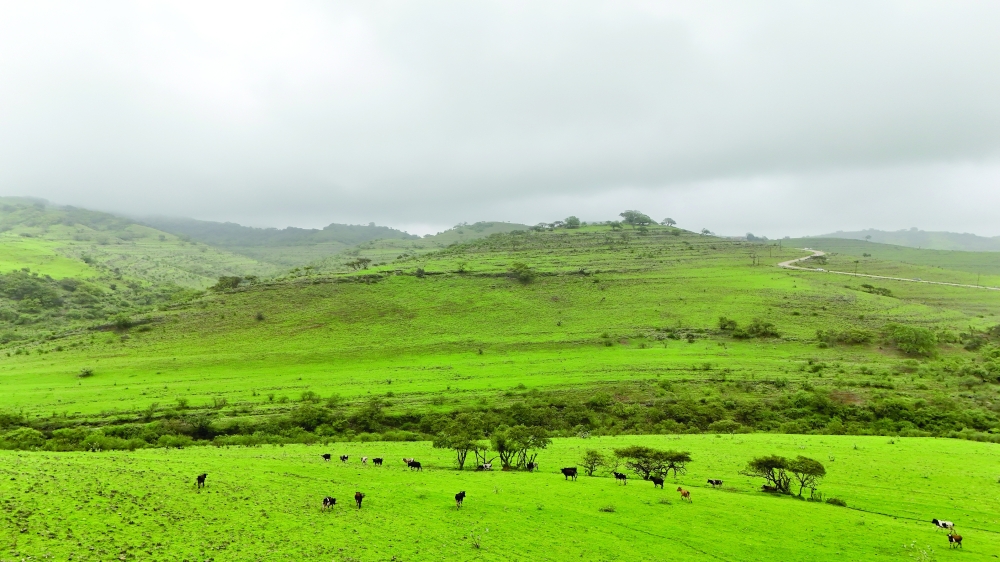
The area, in the Wilayat of Salalah, offers one of Dhofar’s quieter Khareef landscapes. Green slopes stretch across the hills, mist settles over narrow roads, and cattle graze in open pastures. Unlike the more crowded tourist sites, Al San’s appeal lies in its rural calm and the feeling that the season is still closely tied to daily life.
Recent images from the area show the landscape at one of its most vivid moments of the year. Low clouds move across the highlands, trees gather in the valleys, and the roads cut gently through fields covered by seasonal greenery. For many visitors, it is a scene of natural beauty. For local residents, it is also part of a longer relationship with land, livestock and seasonal farming.
One cattle owner from Al San, whose family has lived in the area for generations, says the place was once richer in trees than it is today. He recalls older landscapes with denser natural cover and says many residents share the view that the area has changed over time.
His account is personal, but it reflects a wider concern often heard in rural parts of Dhofar: how to protect the natural character of the mountains while preserving the livelihoods that depend on them.
Cattle remain an important part of life in Al San. During Khareef, grazing areas become greener, supporting livestock and helping sustain local food traditions linked to milk, dairy products and rural households. The cattle seen moving across the hills are not merely part of the scenery. They are part of the area’s economy, identity and rhythm.
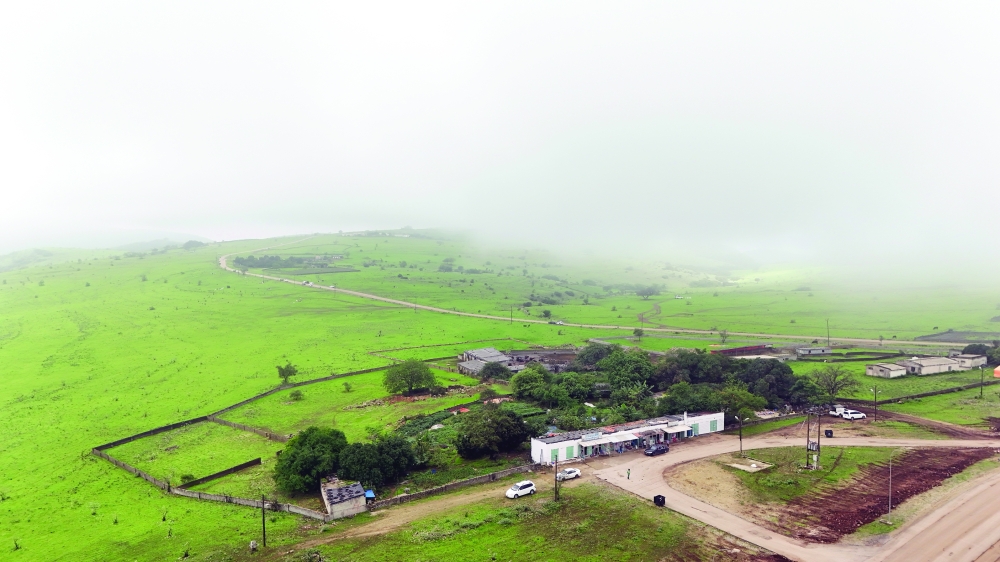
Seasonal farming also continues in parts of the area, as it has for generations. Residents prepare land according to the timing of rain and weather, growing seasonal crops that have long supported rural communities in Dhofar’s mountain belt. These practices may appear simple, but they carry knowledge built through years of observation: when to plant, how to use the land, and how to work with the short agricultural window created by the monsoon.
That is what gives Al San its deeper value. It is not only a place to photograph during Khareef. It is a living landscape where tourism, grazing, farming and memory meet.
As Dhofar continues to receive growing numbers of visitors during the season, areas such as Al San raise an important question for local tourism: how can quieter places be introduced without overwhelming them? Promoting lesser-known locations can help spread visitor movement beyond the busiest sites. It can also give tourists a richer understanding of Dhofar beyond waterfalls, events and main gathering points. But this must be balanced with respect for private property, grazing land, village roads and fragile green areas, especially during the monsoon when the land is softer and more vulnerable to damage.
Al San’s strength is its simplicity. Its green hills, grazing cattle and mist-covered roads show a side of Khareef that is less commercial and more deeply rooted in rural life.
For visitors, it offers a calmer window into Salalah’s seasonal beauty. For local people, it remains part of a much older story — one shaped by rain, cattle, crops and the memory of a landscape they say has changed with time.
Oman Observer is now on the WhatsApp channel. Click here